
Gardeners often say in jest, “Zone envy is real!” If you’ve ever visited beautiful gardens in a climate warmer than yours and wished some of those plants would grow for you, you’ve experienced zone envy. Maybe it is the regionality of flowers and plants like tropical palm trees and bone cold hardy lilacs that makes them so special. Read on, and you’ll see, however, that there is some middle ground to be explored between extremes, lying just outside of your own hardiness zone.
If you need a refresher on what a hardiness zone is, our article, Everything You Need to Know About Growing Zones for Plant Hardiness, can help.
You may be familiar with the general palette of perennials and shrubs that are hardy in your zone, including the ones you’re already growing in your garden. In the middle of the country where winters aren’t too extreme and summers aren’t unbearably hot, the plant palette is expansive. As you go further north or south, the palette narrows a bit.
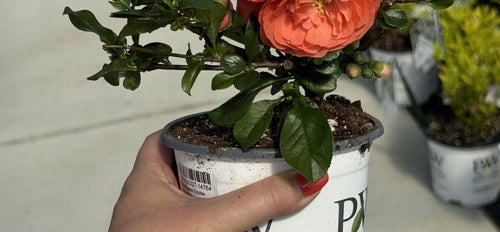
That’s where it becomes tempting to “cheat your zone”, meaning to attempt to grow something that isn’t technically suitable for your climate. It’s risky, but some people have success cheating their zone by one or even two hardiness zones. That means if you live in USDA hardiness zone 6, you might have luck overwintering a plant that is listed as hardy to zone 7. However, as is true in life, you must be prepared to lose when you cheat your zone. The risk might be more palatable with a $20 plant than a $200 one – you decide what’s an acceptable level of risk for your budget.
Now, we’re going to help you do something your mother told you never to do – cheat! (Cheat your zone, that is.) Here are five factors that can play a pivotal role in your success or failure.
Strategic Siting
Where you site borderline hardy plants – meaning those that are just barely rated for your growing zone – can mean the difference between overwintering success or failure.
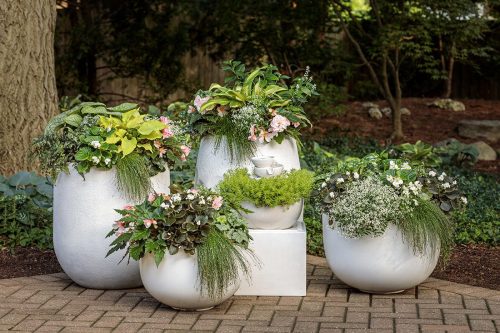
If a plant is borderline hardy, plant it in the ground as early in the season as possible so it has plenty of time to establish strong roots before winter arrives. Well-rooted plants have a better chance of surviving winter. If it’s something you’ve been growing in a container since spring, plant it in the ground by late summer to early fall. Or, if you prefer to keep the plant in the container, follow these overwintering tips.
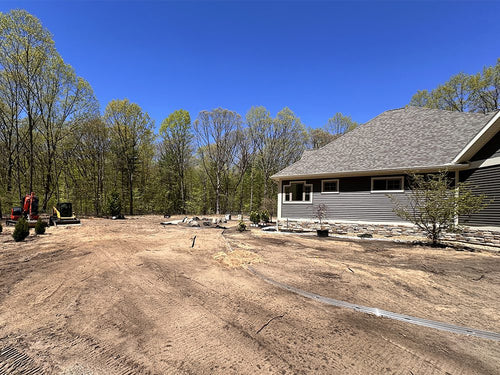
Avoid planting borderline hardy varieties in low lying areas where cold air sinks, and conversely, at the tops of windy ridges or hills. If you must plant on a hill, choose the sunny south side which tends to stay a bit warmer. If you live where it snows in winter, consider growing your borderline hardy plant where snow drifts tend to pile up. (You’ll see why this is important under “Snow Cover” below – keep reading!)
Microclimates
In most landscapes, there is at least one spot that stays a little warmer or colder than the rest – that’s called a microclimate. If your yard or the exterior of your home has several nooks and crannies, it may have multiple microclimates. For the sake of cheating your zone, you’ll want to look for the warm microclimates.
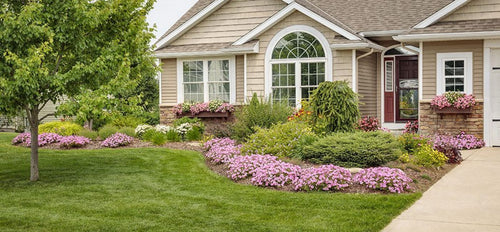
Warm microclimates are typically found on the south or southwest side or corner up against the wall of your home. If your home is made of brick, stone or stucco, the microclimate may be further enhanced as those materials tend to absorb the sun’s heat and radiate it back out at night. You’ll have the best luck at overwintering borderline hardy plants in warm microclimates.
Winter Preparation
Plants that are healthy, robust and well-watered going into winter tend to be more resilient than those that aren’t. So, taking good care of your plants during the spring, summer and fall will pay off in the winter. Follow our care guidelines for watering, feeding and pruning your plants during the growing season and you’ll increase your odds of successfully cheating your zone.
Snow Cover
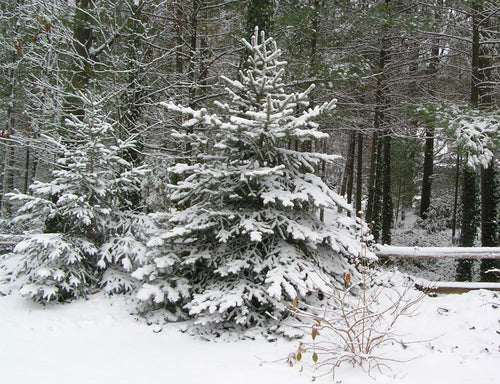
It might seem counterintuitive, but snow is one of the best insulating materials for your garden in the winter. Air becomes trapped between snowflakes as they pile up, creating a blanketing effect similar to how a feather down blanket works. It prevents the ground from freezing as deeply and helps to maintain a more consistent soil temperature which limits freeze/thaw cycles that can be detrimental to plants.
Snow is helpful for a few more reasons in the garden. Stems and buds surrounded by snow are essentially cloaked in a down coat that protects them from cold, drying winter winds. Snow also provides a slow, steady source of moisture for plants as it melts.
It’s most beneficial when snow falls early in winter and sticks around, especially during the coldest days of the season. If a thick blanket of snow falls before the ground freezes and sticks around all winter, the soil may not freeze at all that year, and you’ll have more borderline hardy plants overwinter as a result. Essentially, snow cover helps you cheat your zone.
Additional Insulators
If you don’t live in a climate where snow cover is present all winter, you’ll want to take additional precautions to help insulate your plants before freezing temperatures settle in. Just like how bark or shredded wood, chopped leaves and pine straw all make great mulches during the growing season, they are beneficial in winter too. In the summer, mulch helps to prevent the soil from heating up and drying out in the sun. In the winter, it helps to prevent the soil from freezing as deeply, prevents frost heaving and retains moisture.
Spreading a 3-4 inch layer of mulch around the roots of your borderline hardy plants can help them tolerate the winter cold. If you are attempting to overwinter a relatively short plant that is borderline hardy, you could also surround it with a chicken wire cage and stuff it with shredded leaves for insulation. In early spring, pull back the extra mulch that remains to allow your plants to “breathe” again.
A simple cold frame made from old windows or plexiglass can also help insulate smaller scale plants from the cold. They magnify the warmth of the sun and trap in some of the heat to keep your plants warmer at night. On a larger scale, windbreaks in the form of large evergreen trees, fences or similar structures can help protect borderline hardy plants from winter extremes.
A Parting Thought…Literally
If you’ve read this far and aren’t feeling up to the challenge of cheating your zone, here’s one more idea: grow what you love, then leave it. If you’ve longed to grow a particular zone 7 hardy shrub but live in zone 4, grow it for a season like an annual, then send it off to the compost pile in late fall. Or, if you have a friend who owns a greenhouse or lives in a warmer zone, send it on to them to enjoy. Just because a plant is labeled a perennial or shrub doesn’t mean you can’t part with it at the end of the season. It’s yours, so you make the rules!
