








Crack and crevice gardening transforms narrow gaps between stones, walls, and pathways into intentional, living garden spaces. It focuses on using tight pockets of soil, natural drainage, and heat-reflective surfaces to create beautiful displays in areas where most plants would struggle. With thoughtful placement and an eye for texture and scale, these once-problematic spaces become striking architectural features in the landscape.
What Makes a Good Crack & Crevice Plant?
Before we talk specific plants, it helps to know what you’re shopping for. Crack and crevice plants need to check a few boxes:
- Drought tolerance. Crevices dry out quickly, especially when surrounded by stone or concrete that radiates heat. Succulent foliage or deep roots are a huge plus.
- Compact or spreading habit. You want plants that stay low and knit around stones rather than growing tall and floppy.
- Love of lean, well-drained soil. Rich, moisture-retentive soil is usually a problem in crevices—it can cause rot. Plants that prefer average to poor, gritty soils are ideal.
- Ability to handle heat and reflect light. Stones absorb and radiate heat; plants must be okay with hot roots and hot air.
- Strong root systems or mat-forming habits. These help stabilize soil, suppress weeds, and hold banks or slopes in place.
Proven Winners has several plant lines that were practically made for rock gardens, wall pockets, and tight spaces—especially sedums, creeping phlox, catmint, and low-growing aronias.
Stonecrop Superstars: Sedum for Sun-Baked Cracks
If crack and crevice gardening had a mascot, it would probably be stonecrop (Sedum). Sedums store water in their fleshy leaves, shrug off drought, and actually prefer lean, well-drained soil. They’re classic rock-garden plants for a reason.
1. Rock ‘N Low® Sedum: Living Carpets Between Stones
The Rock ‘N Low® series from Proven Winners® was bred to act as a durable, flower-topped groundcover—exactly what you need weaving between boulders, on wall tops, or spilling out of crevices.
- Rock ‘N Low® ‘Boogie Woogie’ Stonecrop forms a low, mounded mat only about 6–8 inches tall that spreads 16–18 inches. Its green foliage edged in creamy white stays bright all season, then it’s smothered in cheerful yellow star-shaped flowers in early summer. It thrives in full sun, poor to average soils, and very low water once established, and it’s noted as drought tolerant and rabbit resistant.
This kind of sedum is perfect for:
- Crevices at the top of retaining walls
- Edges of stone steps
- Gaps between large pavers where you want color but not height
Another option in the same spirit is Rock ‘N Round® ‘Pride and Joy’ Stonecrop, which also forms a low growing mound and is bred for tough, sunny, low-water sites. Plants in this series are specifically recommended for rock gardens and similar dry spaces.
2. Lemon Coral® Stonecrop: Electric Color for Tough Spots
Though often treated as an annual in colder climates, Lemon Coral® Sedum behaves like a perennial in warmer zones and is an outstanding crack-and-crevice plant wherever it’s hardy. It forms a fine-textured, spiky carpet of chartreuse foliage that hugs the ground and cascades over stone edges. This sedum is listed as heat and drought tolerant, thriving in hot, dry conditions and poor soils.
Use it:
- Along the edges of sunny paths
- To soften the lip of raised stone beds
- In narrow strips between a driveway and sidewalk
Because it stays low and dense, Lemon Coral® plays the “living grout” role beautifully tying hardscape together with glowing color.
Spring Bling® Hybrid Spring Phlox: Early Color That Hugs the Ground
For crack and crevice gardens, you don’t want just foliage—you also want a big burst of flowers in spring. That’s where the Spring Bling® hybrid spring phlox series shines.
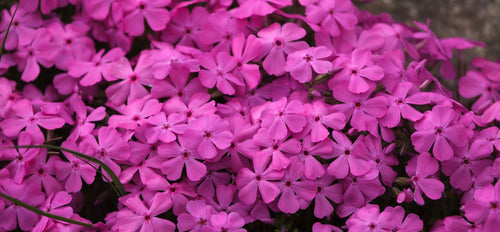
These phlox behave much like improved creeping phlox: they form low, spreading mats (about 4–8 inches tall with a spread up to 2–2½ feet) and blanket themselves in early spring blooms. They prefer gritty, well-drained soils and full sun, which matches crack-and-crevice conditions perfectly.
Great choices from this series include:
- Spring Bling® ‘Pink Sparkles’ – soft baby-pink flowers on a spreading carpet of green foliage.
- Spring Bling® ‘Ruby Riot’ – vivid, deeper pink blooms for bold color on slopes or walls.
Plant Spring Bling® phlox:
- On the tops of rock walls, letting them spill over the edge
- In wide cracks between flagstones where feet don’t regularly land
- Along sunny, gravelly paths as edging
Once established, their mat-forming habit helps crowd out weeds and shield the soil from erosion, while their spring bloom show gives you a dramatic seasonal moment.
Catmint in the Cracks: ‘Cat’s Pajamas’ Nepeta
If you have slightly deeper crevices or narrow planting strips alongside stone walks, ‘Cat’s Pajamas’ Nepeta is a fantastic Proven Winners® perennial to consider. It’s a compact catmint—around 12–14 inches tall and 18–20 inches wide—that blooms from late spring well into summer with indigo-blue flowers on a tidy, mounded habit.
Why it works in crack and crevice gardens:
- Drought & heat tolerant. ‘Cat’s Pajamas’ is specifically highlighted as a drought-tolerant catmint that thrives in full sun and average to poor soils with good drainage.
- Compact size. Its smaller stature makes it ideal for narrow beds along steps, the base of stone walls, or the outer edges of gravel drives.
- Tough constitution. It handles dry spots, resists deer and rabbits, and doesn’t need constant watering or feeding.
Use ‘Cat’s Pajamas’ as a “transition” plant: tuck sedums and creeping phlox into the tightest spots, then use this nepeta where you have a few extra inches of depth or width. It bridges the gap between ultra-low carpets and taller border perennials, giving your crack-and-crevice design more dimension.
A Shrubby Problem-Solver: Ground Hug® Aronia
While many crack and crevice plants are herbaceous perennials, a few shrubs are compact and tough enough to play in this arena—especially along rocky slopes and wall bases. One standout Proven Winners® shrub is Ground Hug® Aronia.
Ground Hug® is a low, spreading native shrub (about 8–14 inches tall and roughly 3 feet wide) that naturally forms a dense groundcover. It’s explicitly described as super tough, suited to challenging soil and conditions, and used for stabilizing soil and covering difficult areas.
Why it’s perfect near rock and stone:
- Handles tough sites. Ground Hug® Aronia is tolerant of a wide range of soils and is listed as drought and salt tolerant once established, making it ideal near driveways, streets, and sunny slopes.
- Erosion control. Its spreading habit and root system help lock soil in place on banks, terraced walls, and rocky berms.
- Four-season interest. Spring brings white flowers, summer offers glossy foliage, late summer to fall adds dark berries, and autumn delivers rich red fall color.
While you might not literally squeeze Ground Hug® into a hairline crack, it’s unbeatable along the base of rock walls, in wide crevices on slopes, or in rocky, hard-to-water strips where other shrubs would struggle.
Designing a Crack & Crevice Garden with Proven Winners®
Once you’ve chosen your plants, think about how they fit into the structure of your space.
1. Start with the Hardscape
Place pavers, stones, or wall pieces first, noticing where soil naturally settles or where you can leave intentional pockets for planting.
- Use Ground Hug® Aronia to anchor the base of slopes or walls.
- Plant Rock ‘N Low® Sedums higher on berms or in shallow, sunbaked crevices.
2. Match Plants to Micro-Spots
Each crack behaves differently—choose plants that fit the conditions.
- Shallow, hot cracks: Rock ‘N Low® Sedums, Lemon Coral® (in hardy zones)
- Slightly deeper pockets: Spring Bling® Hybrid Spring Phlox, mixed with sedums
- Narrow strips along stone: ‘Cat’s Pajamas’ Nepeta
- Rocky slopes or wide gaps: Ground Hug® Aronia
Placing plants where they naturally thrive leads to healthier, fuller growth.
3. Layer Bloom Times & Textures
Design for interest from spring through fall:
- Early Spring: Spring Bling® Phlox blooms in low carpets
- Late Spring–Summer: ‘Cat’s Pajamas’ Nepeta brings waves of blue
- Summer–Early Fall: Rock ‘N Low® Sedums show bright flowers and colorful foliage
- Fall: Ground Hug® Aronia delivers bold red leaves and berries
Mix textures—fine sedum foliage, soft phlox mats, airy catmint spikes, and glossy aronia leaves—to keep small spaces visually rich.
Planting & Care Tips
Even tough plants appreciate thoughtful planting in challenging locations.
- Prepare the crevice: Ensure excellent drainage with grit or gravel. Use lean soil so plants don’t rot.
- Plant small: Plugs or small containers tuck easily into tight spots and root faster.
- Water to establish: Keep soil lightly moist for the first couple of weeks, then reduce watering. These plants prefer drier conditions once rooted.
- Minimal maintenance:
- Lightly shear creeping phlox after bloom
- Trim ‘Cat’s Pajamas’ midseason for fresh growth
- Leave sedum seed heads for winter interest
- Prune Ground Hug® Aronia only after flowering, if needed
Turning Tough Spots into Highlights
With the right Proven Winners® perennials and shrubs, Rock ‘N Low® Sedums, Spring Bling® Phlox, ‘Cat’s Pajamas’ Nepeta, and Ground Hug® Aronia, those difficult gaps and rocky edges become some of the most charming areas in your landscape. These plants thrive on drought, lean soil, and tight spaces, transforming problem areas into beautiful, low-maintenance garden moments.
