


Contact Information
Collection: Lupine - Lupinus - Perennials
A striking, native spring to early summer bloomer, lupine will make a wonderful addition to your garden border or cut-flower bed. These perennial plants have pea-like flowers that grow on large, erect stems in colors like purple, yellow, pink, and white. The foliage is beautiful in itself, with star-shaped leaves that are covered in silvery hairs that repel water.
Our collection at Garden Crossings offers plenty of options for adding color, texture, and pollinator appeal to your landscape. Explore our lupine plants for sale to find the colorful spikes that’ll complement your space.


Mini Gallery™ Blue Bicolor Lupine (Lupinus)
Regular price
$17.99
Regular price
Sale price
$17.99
Unit price
per


Mini Gallery™ Pink Bicolor Lupine (Lupinus)
Regular price
$17.99
Regular price
Sale price
$17.99
Unit price
per


Mini Gallery™ Red Lupine (Lupinus)
Regular price
$17.99
Regular price
Sale price
$17.99
Unit price
per
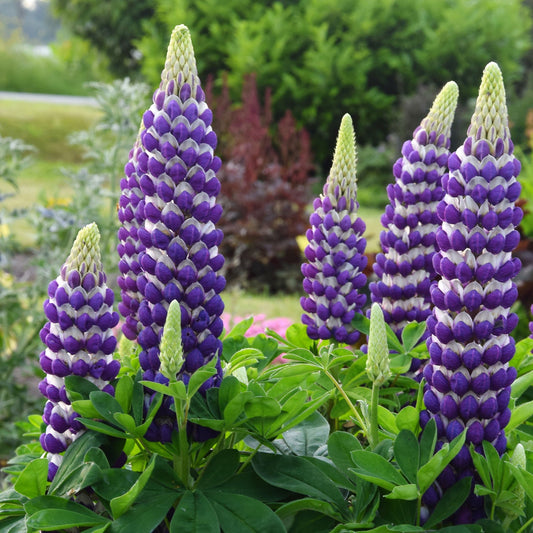
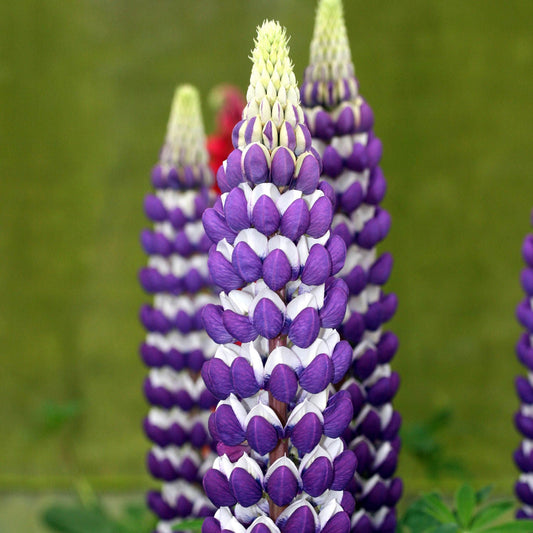
Westcountry™ 'Blacksmith' Lupine (Lupinus)
Regular price
$18.99
Regular price
Sale price
$18.99
Unit price
per

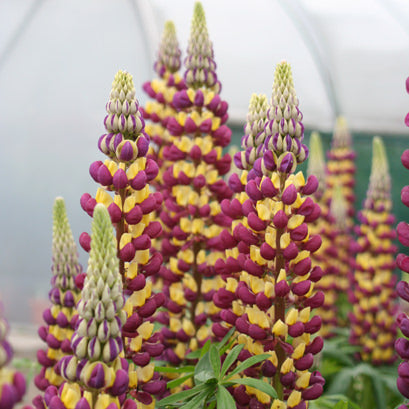
Westcountry™ 'Manhattan Lights' Lupine (Lupinus)
Regular price
$17.09
Regular price
$18.99
Sale price
$17.09
Unit price
per

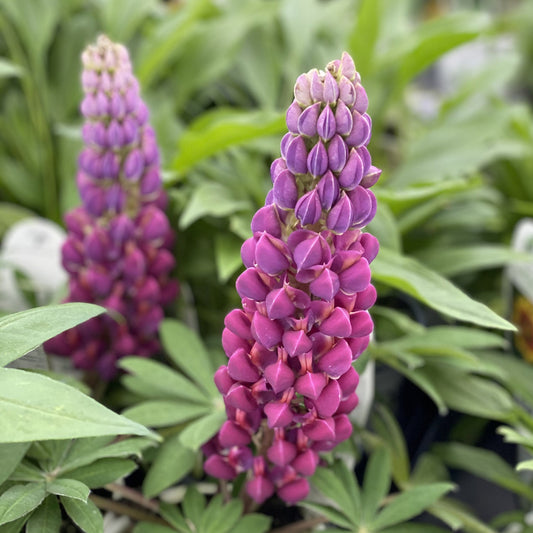
Westcountry™ 'Masterpiece' Lupine (Lupinus)
Regular price
$18.99
Regular price
Sale price
$18.99
Unit price
per
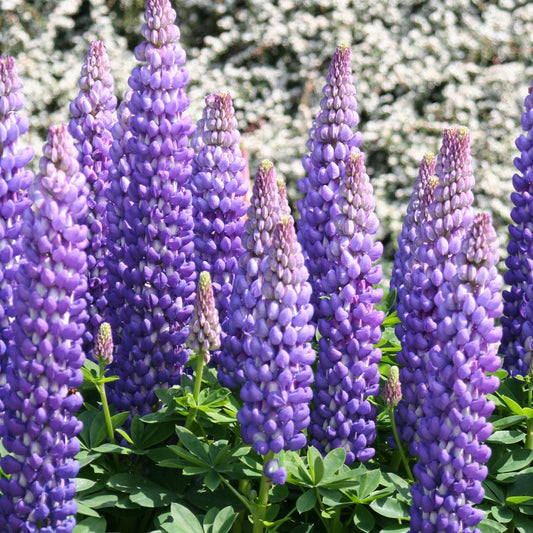
Westcountry™ 'Persian Slipper' Lupine (Lupinus)
Regular price
$18.99
Regular price
Sale price
$18.99
Unit price
per
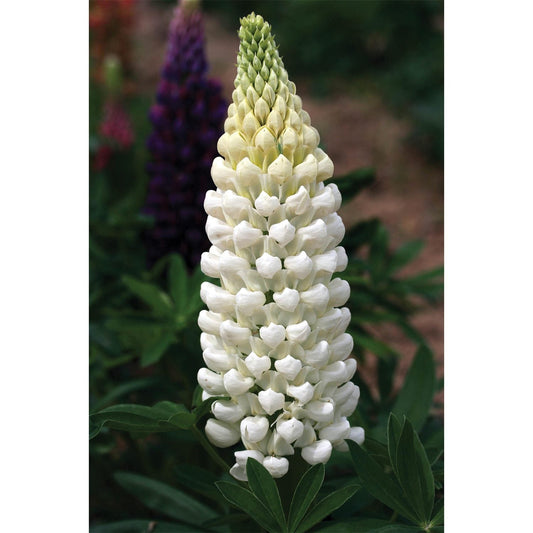
Westcountry™ 'Polar Princess' Lupine (Lupinus)
Regular price
$19.99
Regular price
Sale price
$19.99
Unit price
per

Westcountry™ 'Rachel De Thame' Lupine (Lupinus)
Regular price
$19.99
Regular price
Sale price
$19.99
Unit price
per
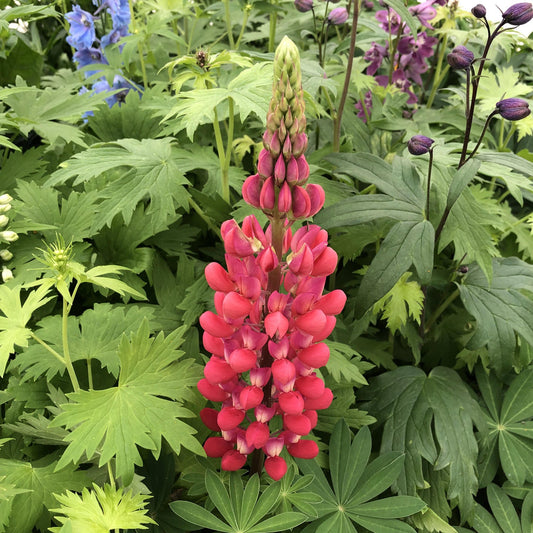
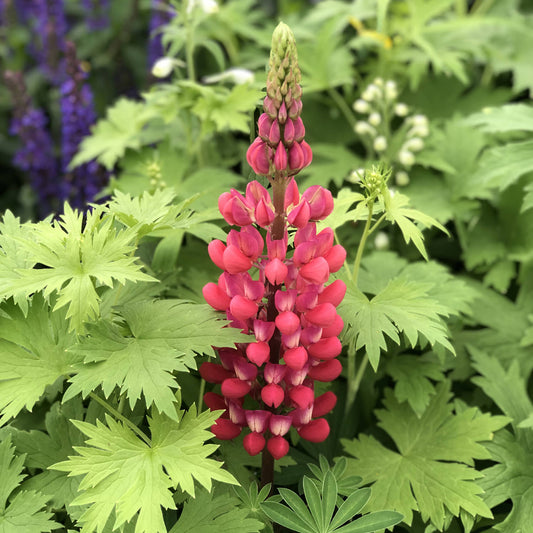
Westcountry™ 'Red Rum' Lupine (Lupinus)
Regular price
$15.19
Regular price
$18.99
Sale price
$15.19
Unit price
per
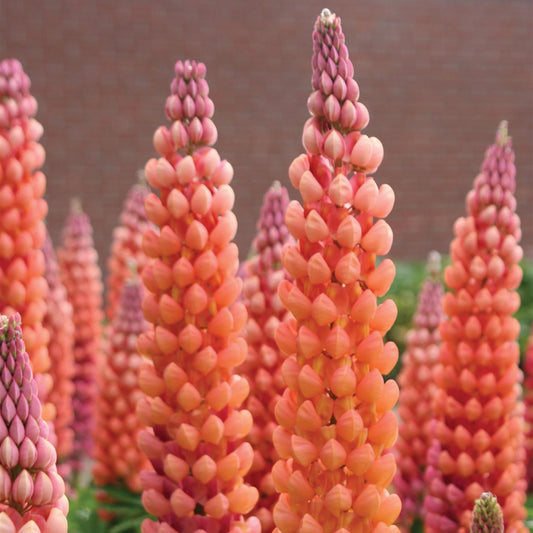
Westcountry™ 'Salmon Star' Lupine (Lupinus)
Regular price
$18.99
Regular price
Sale price
$18.99
Unit price
per

Westcountry™ 'Tequila Flame' Lupine (Lupinus)
Regular price
$18.99
Regular price
Sale price
$18.99
Unit price
per


