

As we step into 2026, gardening is blossoming into something far more meaningful than just keeping up with the Joneses’ petunias. Gardeners across the country are planting with more intention, creativity, and awareness than ever before. Whether you’re managing a sprawling backyard or tending a few pots on a balcony, the garden trends for the coming year are all about making the most of your space while supporting the planet, your wellbeing, and your favorite pollinators.
Below are the biggest gardening trends we’re watching for 2026 and how you can bring them to life in your own landscape.
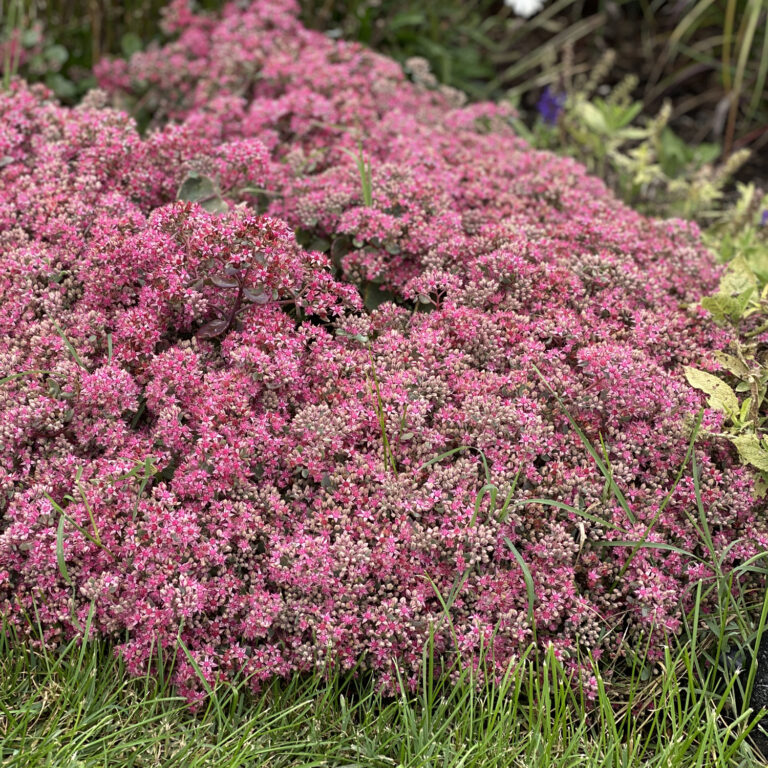
Climate-Resilient Gardening: Growing for Tomorrow’s Weather
Let’s face it, Mother Nature has been throwing some serious curveballs lately, and gardeners are learning to roll with the punches of unpredictable and changing weather patterns.
The heart of this trend is all about choosing plants and design strategies that can handle whatever comes their way, whether that’s droughts, surprise temperature swings, or increasingly intense storms. It’s growing more common to focus on improving soil health with compost and other organic matter so it can retain moisture during dry spells yet still drain well during storms. Mulch is also playing a starring role, helping regulate soil temperature and reduce water loss. And instead of relying on just a few favorite plants, gardeners are diversifying their landscapes so if one thing struggles, something else is ready to shine.
Climate resistance doesn’t mean boring; it means smarter gardening. And yes, your plants can still look fabulous while being tough as nails.

Water-Wise Gardening: Beautiful Plants, Less Thirst
Water is becoming the new gold, and savvy gardeners are treating every drop like the precious resource it is. Water-wise gardening, sometimes called xeriscaping, is all about creating gorgeous landscapes that sip rather than gulp water.
The beauty of this approach is that drought-tolerant doesn’t mean dull. The first step is to choose drought-tolerant plants, like lavender, Russian sage, and blanket-flower, that thrive with minimal irrigation while offering incredible beauty and fragrance. At the same time, technology is stepping in to help, with drip irrigation systems, moisture sensors, and automated timers so plants are watered only when they actually need it, not just on an arbitrary schedule.
A simple trick that makes a huge difference is applying a thick layer of organic mulch, shredded leaves, bark chips, or straw. This will dramatically reduce evaporation while keeping soil moist and happy. And in especially hot climates, gravel mulches are replacing traditional bark to help reduce evaporation and keep roots cooler.
More and more cities are encouraging or requiring water-wise landscaping. And gardeners are discovering that water-wise doesn’t mean dry or sparse, just thoughtfully designed. The result is a garden that looks lush and vibrant while being more environmentally conscious and easier on your water bill.
Purpose-Driven Gardening: Planting with Meaning
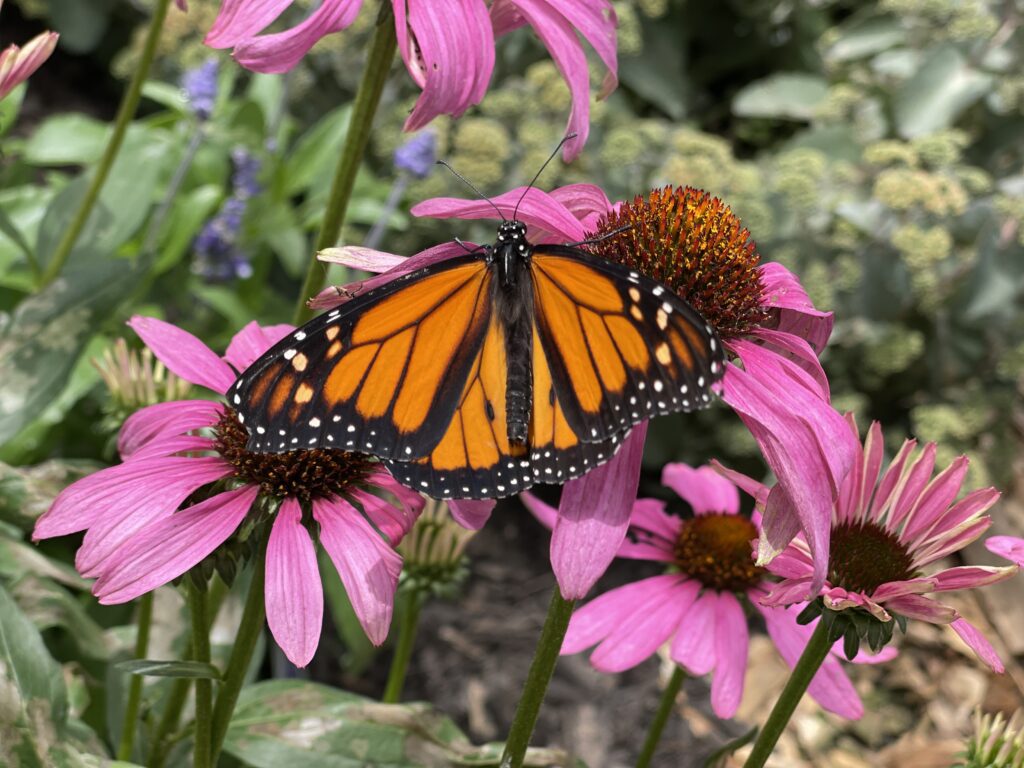
More than ever, gardeners want their landscapes to do something – support wildlife, reduce waste, grow food, improve mental health, or simply make life feel a little richer. Purpose-driven gardening means designing outdoor spaces with specific goals in mind.
Instead of simply filling space with pretty plants (though we love that too!), gardeners are increasingly choosing plants and designs that serve a bigger purpose. Imagine planting echinacea, verbena, and native wildflowers not just because they’re beautiful but because they’re literally keeping bees, butterflies, and hummingbirds alive. Pollinator gardens continue to rise in popularity as people look for ways to support bees, butterflies, and beneficial insects.
Food gardening is another growing trend, even small raised beds or potted tomatoes on a patio can bring big satisfaction and reduce grocery bills. Growing fruit trees like columnar apples or espaliered peaches that fit in small spaces, or more adventurous choices like figs, persimmons, and kiwis can add both beauty and bounty to your landscape.
Gardeners are also creating spaces that support local wildlife or help meet personal needs, such as sensory gardens for relaxation or accessible layouts for easier movement. Purpose-driven gardening turns your landscape into more than just a backdrop, but an extension of your values. Think of it as “planting with purpose.”
Sustainable & Eco-Friendly Gardening: Rooted in Responsibility
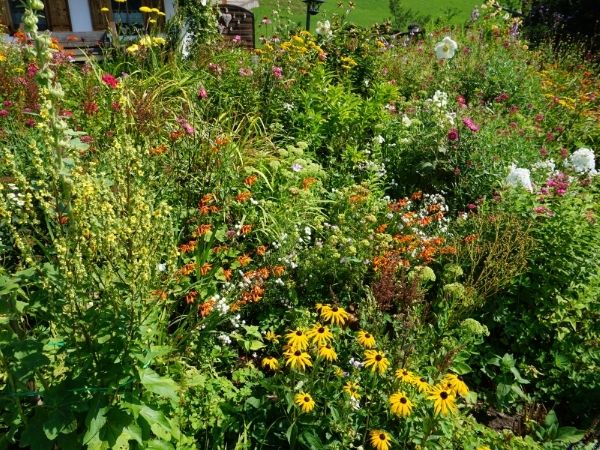
Sustainability isn’t just a trend, it’s a movement. Gardeners are thinking long-term, making choices that support biodiversity, reduce waste, and create healthier landscapes.
And it ties beautifully into purpose-driven gardening, because pollinator support, native plantings, and resource-conscious practices all fit under the same eco-friendly umbrella.
More gardeners are choosing native and pollinator-friendly plants that support local ecosystems, while reducing or eliminating pesticide use in favor of organic or biological solutions. Soil health is taking center stage as composting, mulching, and regenerative practices become mainstream tools for building richer, more resilient soil.
Gardeners are also investing in durable, long-lived plants rather than high-maintenance varieties that need constant replacing, even materials used in the garden, from planters to edging to trellises, are shifting toward reclaimed or recycled options. Sustainable gardening proves that small choices in your own backyard can make a meaningful impact on the environment around you.
The gardening trends for 2026 all share a meaningful theme: thoughtful, purposeful planting. Today’s gardeners are paying closer attention to how their choices support a changing climate, conserve water, and contribute to a healthier ecosystem while creating beautiful spaces they love. Whether you’re exploring climate-resistant planting, building a water-wise garden, or choosing plants that support pollinators and the planet, every intentional step makes a difference. And if you ever need help selecting the right plants or designing your next garden project, we’re always here to grow right along with you.