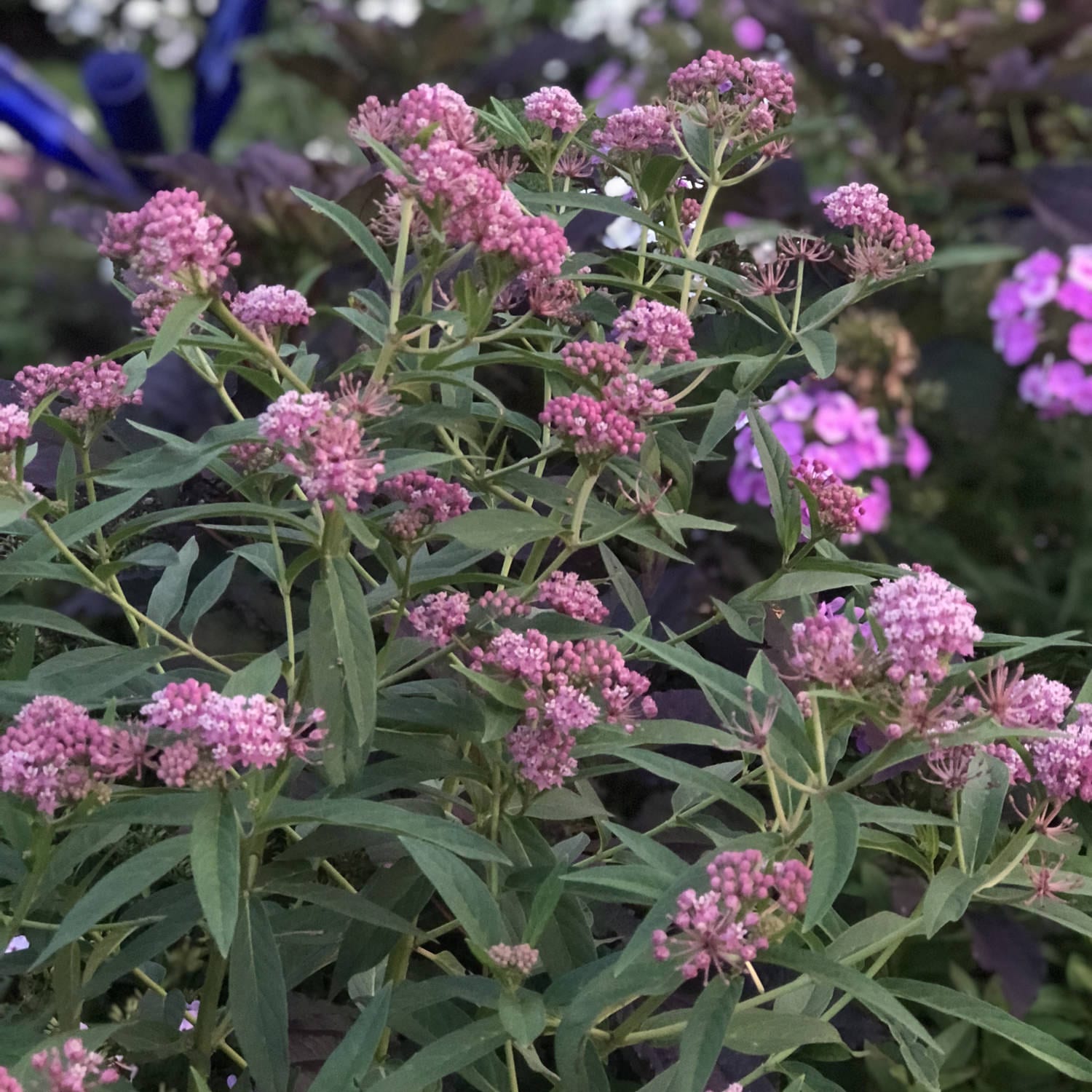
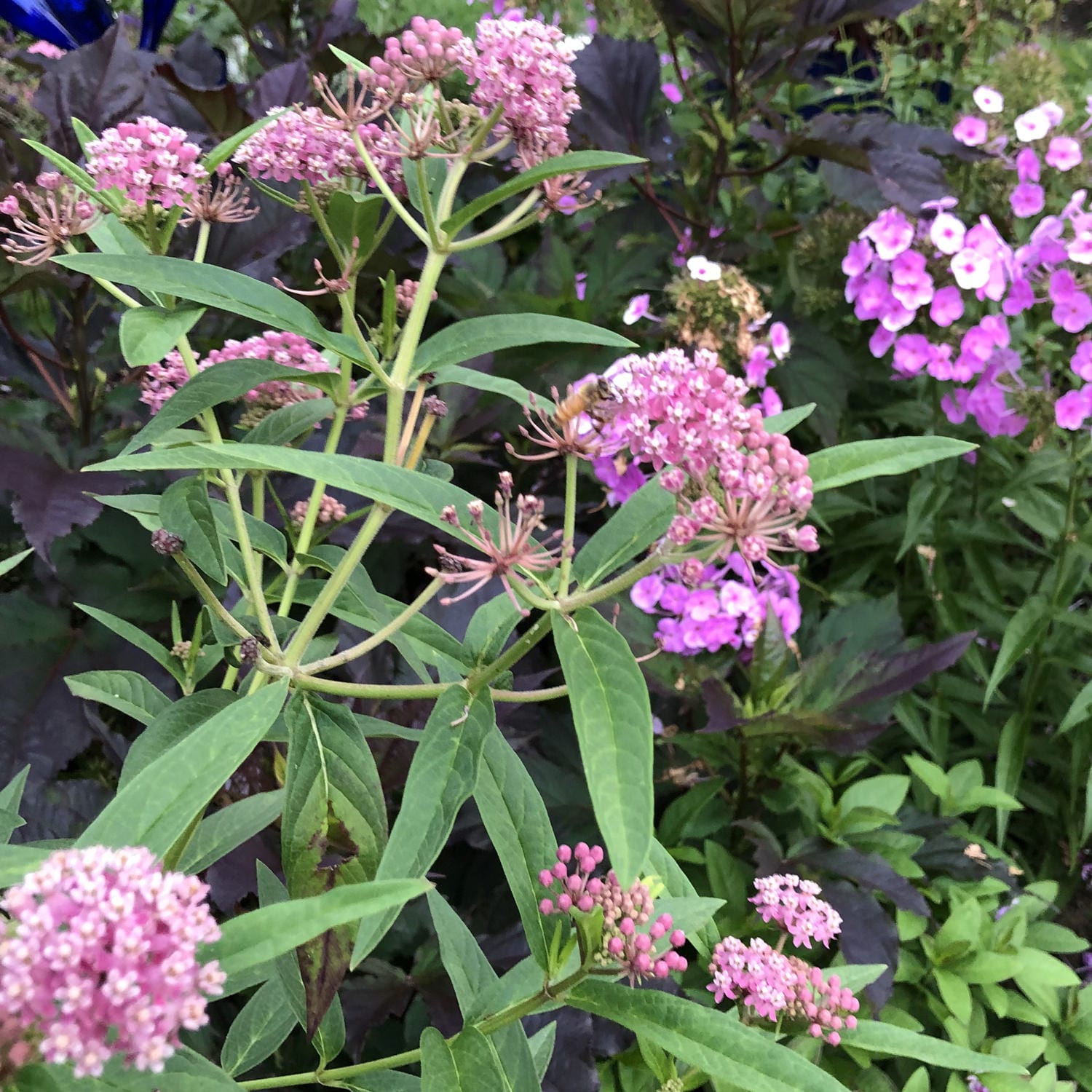
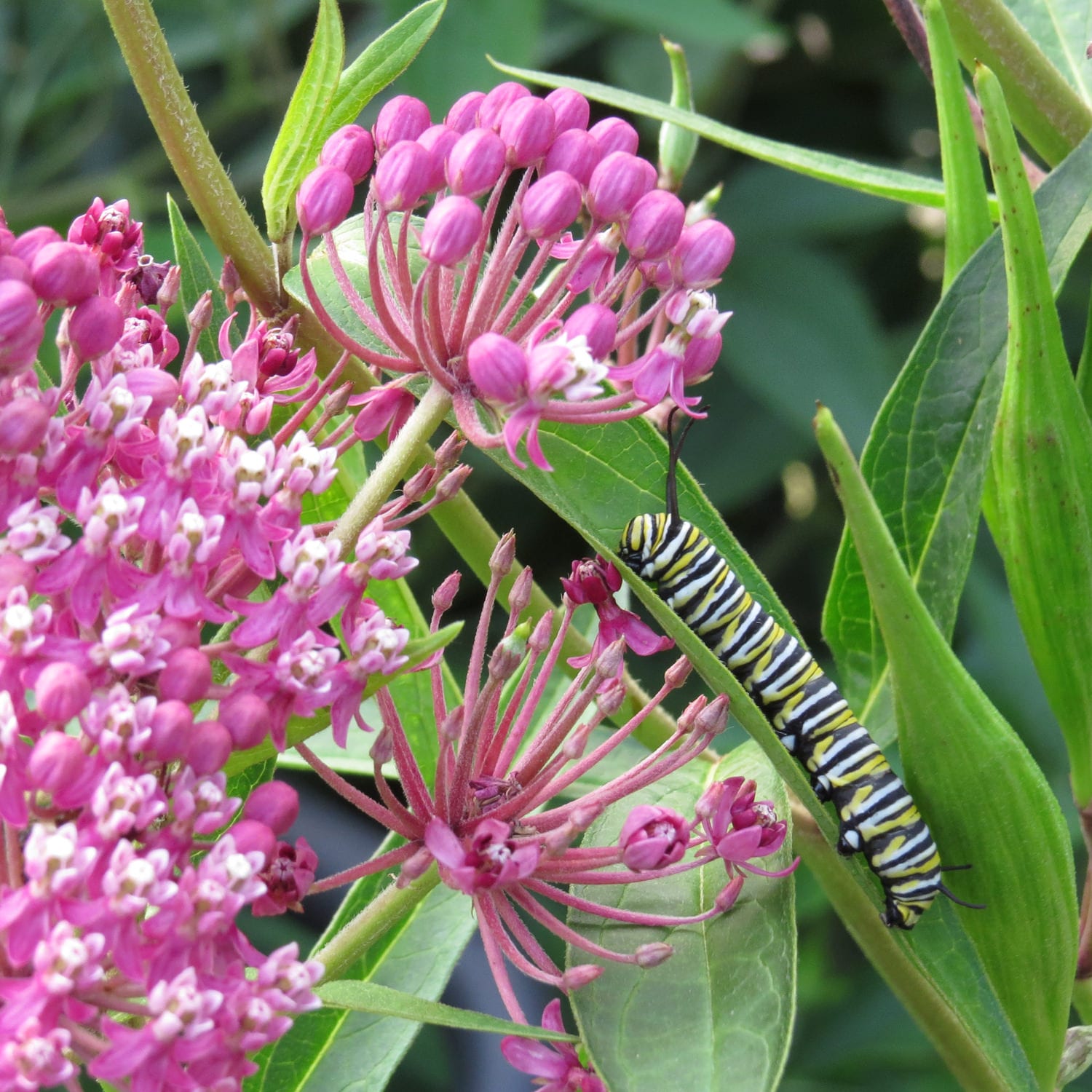
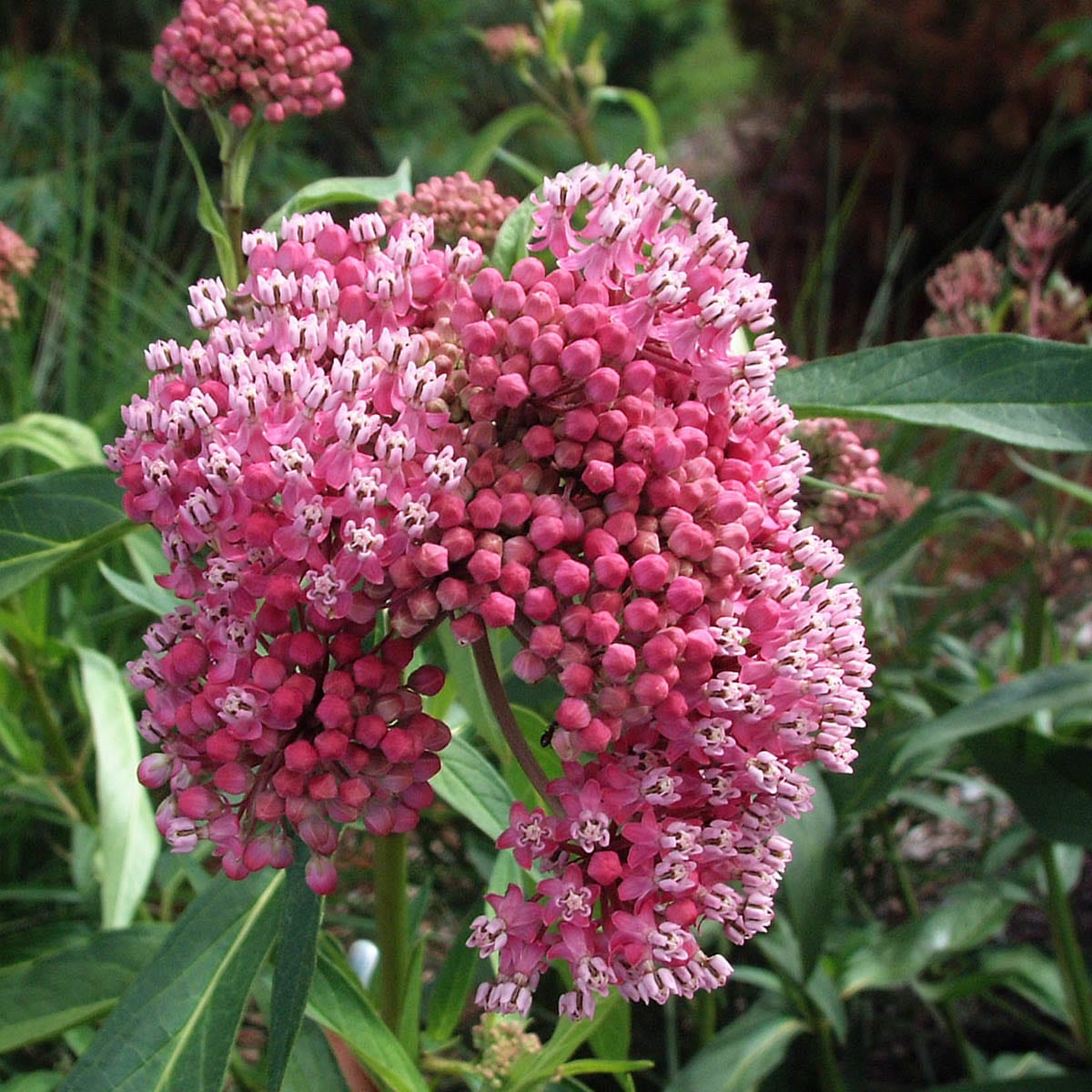
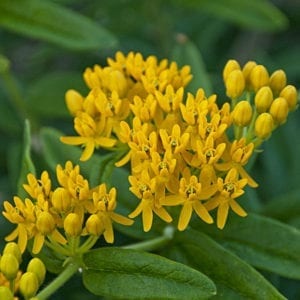
(Swamp Milkweed) Asclepias ‘Cinderella’ is virtually a hassle-free perennial, offering three months of vanilla-scented, rose-pink flowers in large, compact clusters from midsummer to early fall. Deadheading the flowers of ‘Cinderella’ will stimulate another bloom cycle about a month after the first one. The flowers, which are heavily laden with nectar and pollen, are particularly attractive to hummingbirds, butterflies, bees, and other beneficial insects. You can start today by helping to preserve the Monarch Butterfly habitat by planting Asclepias ‘Cinderella’, the host plant. All you need is a sunny location and medium to wet, well drained soil. Once planted, ‘Cinderella’ milkweed does not like to be moved because it puts down a deep tap root.
Asclepias incarnata ‘Cinderella’ Common Name:Milkweed Plant Type:Perennial Brand:Signature Garden Plants Hardiness Zone:3, 4, 5, 6, 7, 8, 9What is my zone? Max Height:3 – 5 Feet Max Spread:1 – 3 Feet Exposure:Full Sun (+6 hrs.) Nature Attractions:Bee-Friendly, Butterflies, Hummingbirds Critter Resistance:Deer Flower Color:Pink Shades Soil Moisture Needs:Moderate, Moist, Wet Attributes:Cut Flower or Foliage, Deciduous, Dried Flower, Fragrant, Native Design Use:Border, Massing, Waters Edge or Bog Season of Interest (Flowering):Summer, Late Summer, Fall
Homeowner Tips
For general growing tips and how to care for your perennials. View Garden Crossings How to care for Perennials page.
Interested in growing tips for other plants we sell. Browse our Plant Care Tips.
I ordered 3 of these Milkweed plants. They arrived in great condition. Planted 4 weeks ago and they are thriving! Almost 3 times the size as when received. Looking forward to next spring when they bloom and attract the Monarchs.
Rated 5 out of 5
Karen –
Our butterfly hatched today, it has been great fun. Gave one to friend and she had caterpillars too. We have had milkweed for yrs. but this seems to be what they want. Very pleased am going to order more for next year.
Rated 5 out of 5
Stephanie C –
Very pleased with my purchase of this plant. Gorgeous blooms attract pollinators to your garden. Monarch butterflies will lay their eggs and leave you eggs to raise their caterpillars.
Rated 4 out of 5
Susan S | Zone: 8b –
Very Impressed I just received and I am very impressed by the size and health of the plant. Can’t wait to plant it.
Rated 5 out of 5
Mary | Zone: 5b –
Monarch Caterpillars This is Cinderella’s second year in my garden. She is blooming now (July) and covered in butterflies–fritillaries, admirals, monarchs etc. Also many stages of monarch caterpillars are browsing the plant–even my husband finds it fascinating. This is a sweet-scented, lovely science project! I will be planting more.
Rated 5 out of 5
Karen G | Zone: 7a –
Lovely Native If you’re having any problems getting butterflies to notice your gardens, this lovely native will solve them immediately. A favorite of Monarchs and Swallowtails, it will also attract the fascinating Sphinx Moth, which looks like a cross between a bumble bee and a hummingbird. A must-have plant for anyone who wants to help the Monarch butterfly.










6 reviews for Asclepias ‘Cinderella’
Steve A –
I ordered 3 of these Milkweed plants. They arrived in great condition. Planted 4 weeks ago and they are thriving! Almost 3 times the size as when received. Looking forward to next spring when they bloom and attract the Monarchs.
Karen –
Our butterfly hatched today, it has been great fun. Gave one to friend and she had caterpillars too. We have had milkweed for yrs. but this seems to be what they want. Very pleased am going to order more for next year.
Stephanie C –
Very pleased with my purchase of this plant. Gorgeous blooms attract pollinators to your garden. Monarch butterflies will lay their eggs and leave you eggs to raise their caterpillars.
Susan S | Zone: 8b –
Very Impressed
I just received and I am very impressed by the size and health of the plant. Can’t wait to plant it.
Mary | Zone: 5b –
Monarch Caterpillars
This is Cinderella’s second year in my garden. She is blooming now (July) and covered in butterflies–fritillaries, admirals, monarchs etc. Also many stages of monarch caterpillars are browsing the plant–even my husband finds it fascinating. This is a sweet-scented, lovely science project! I will be planting more.
Karen G | Zone: 7a –
Lovely Native
If you’re having any problems getting butterflies to notice your gardens, this lovely native will solve them immediately. A favorite of Monarchs and Swallowtails, it will also attract the fascinating Sphinx Moth, which looks like a cross between a bumble bee and a hummingbird. A must-have plant for anyone who wants to help the Monarch butterfly.