
Flowering Clematis Vines
What does “deadheading” mean and why should I do it?
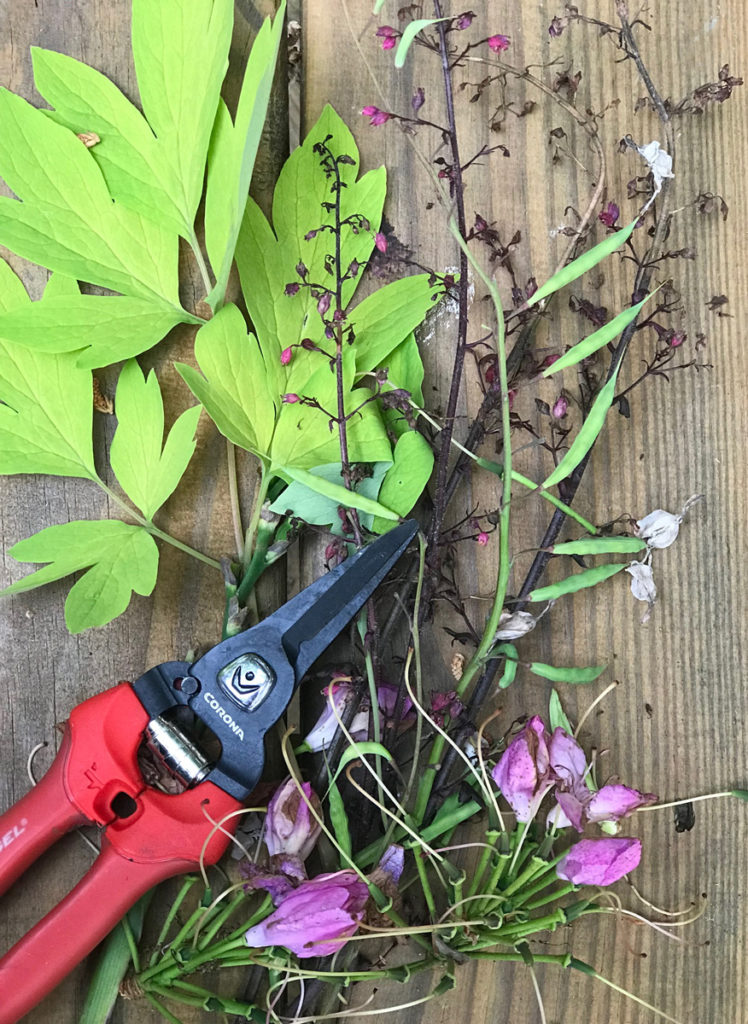
Deadheading simply means removing the spent flowers from a plant, and it’s one of the easiest ways to give your garden a quick pick me up. Let’s take a look at what kinds of plants you should be deadheading to get the most out of them.
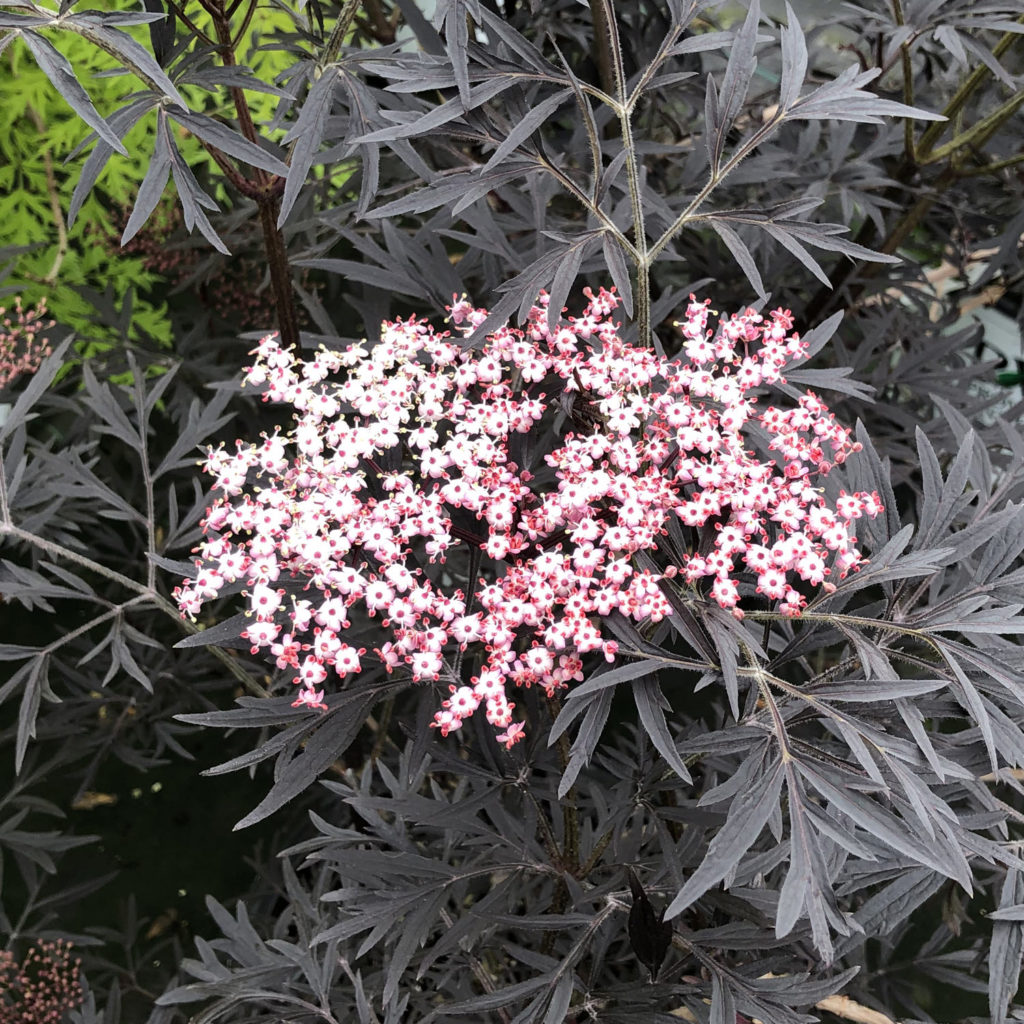
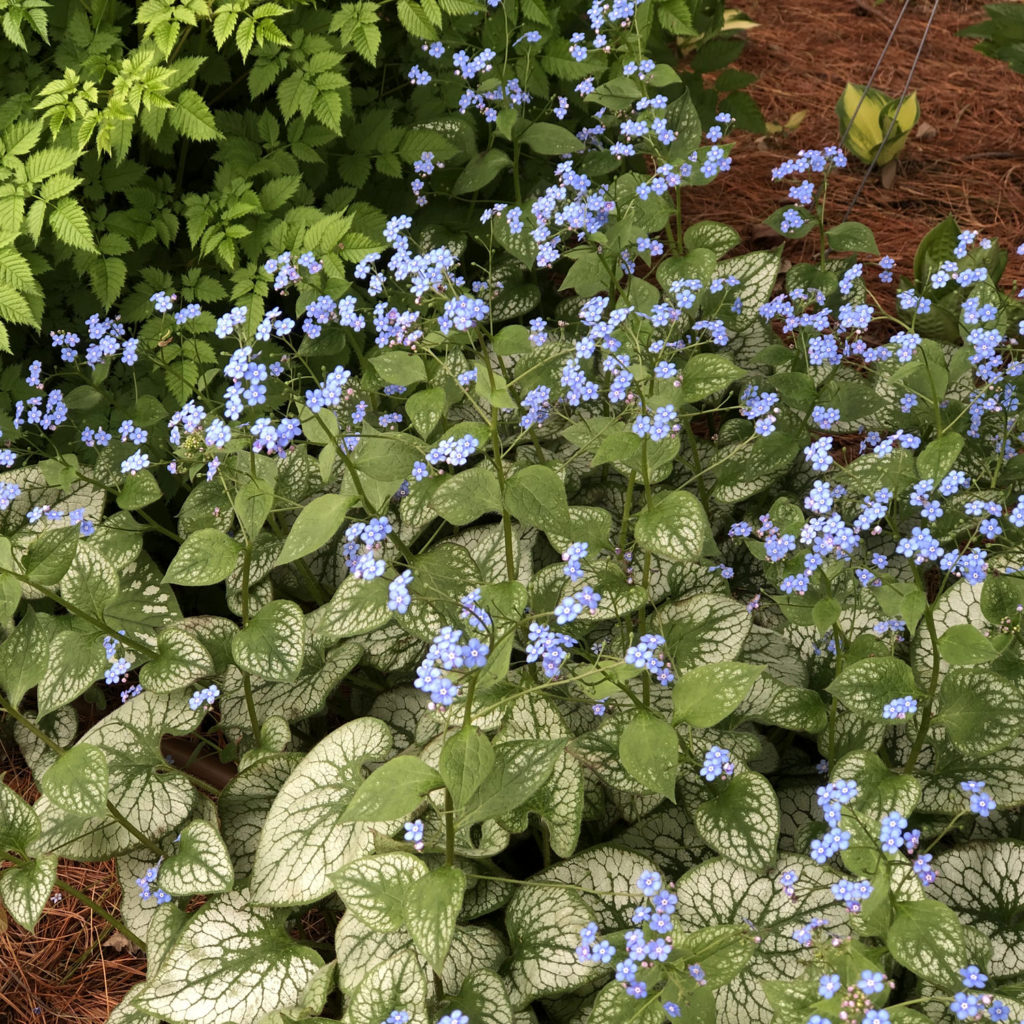
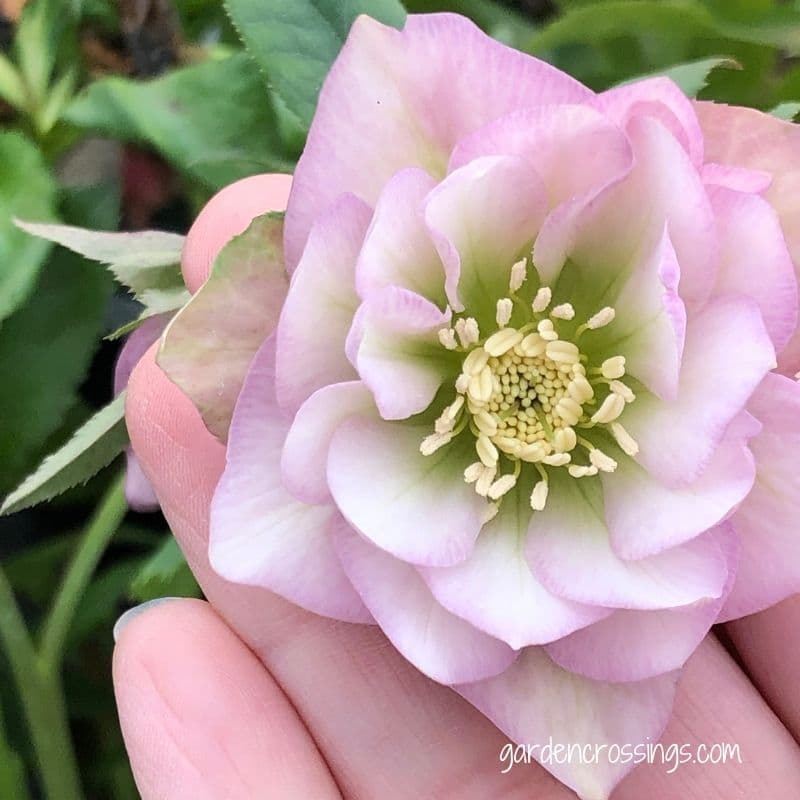 Looking for something unique to spice up your shade garden? As an avid shade gardener myself, I’ve grown well over a thousand different kinds of plants. In today’s blog, I’m sharing five of my favorite perennials and shrubs you might not have tried yet. Maybe they will become some of your favorites, too!
 Get ready for an amazing year of gardening blogs! This year, our friend and colleague Susan Martin will be sharing all sorts of tips, ideas and inspiration with you each month. She’ll be sure to cover many of our most frequently asked questions on the blog and offer easy solutions for you to follow. We’ll announce her new posts in our emails and on our social channels, so you won’t miss a single one. Let’s get started by having Susan introduce herself to you.
  Graceful Grasses® ‘Fireworks’ is one of my go to Thrillers. I love the variegated purple, pink and burgundy with a splash of white for contrast. This plant likes full sun and can go without a lot of water. I like ColorBlaze® Alligator Tears to complement the rich dark colors of “Fireworks”. Alligator Tears has beautiful green foliage with a creamy-yellow tear drop center. This plant will do well in all sun exposures. Alligator Tears needs moderate moisture, but is drought tolerant. My third splash of color comes from Supertunia Vista Fuchsia. This Petunia is a vigorous grower and will add a striking display to your combination. Vista Fuchsia will adapt well with my other choices. Supertunia Vista Fuchsia is a trailing variety and will spill over the edge of your planter. You will love the abundant display of color throughout the summer months.
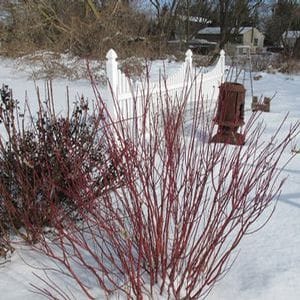 No matter where you are, no matter what your climate, January presents some unique opportunities for gardening. In the north, gardens are sleeping and likely doing it under a blanket of snow, but that doesn’t mean you can’t plan for warmer days. And in southern climates, even if you can actively garden year round, January has its own planning opportunities.